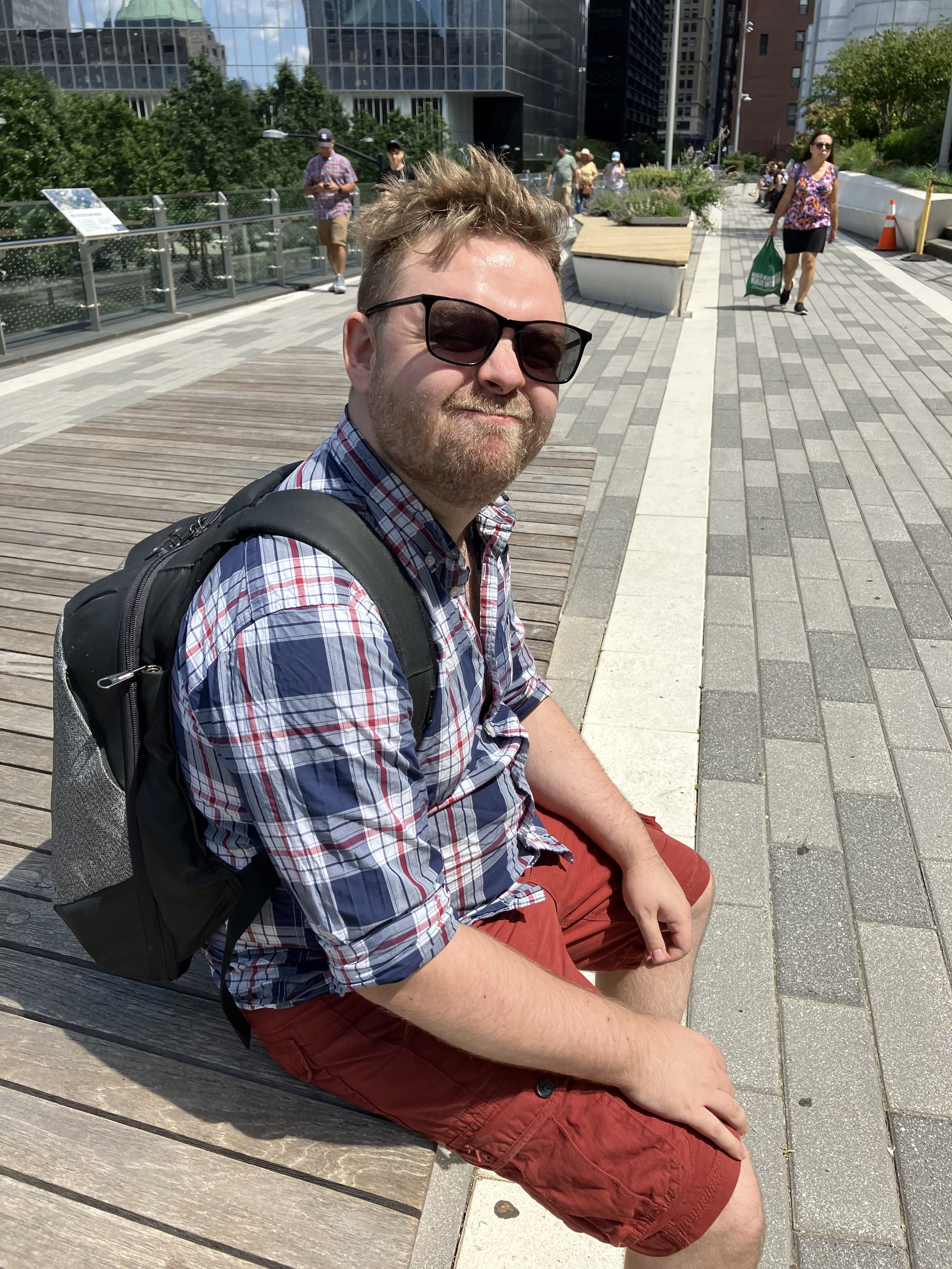
Hi! I’m Jonas Halver, a game designer based in Copenhagen working across systems design, gameplay feel, and technical design.
I’m drawn to games that make players think: meaningful choices, clear feedback, and consequences that feel earned. I like working where design and implementation stay close: getting ideas playable early, then iterating until the experience feels cohesive.
What I do best
Systems design: progression, economy, rewards, mission & quest structure, balancing and tuning
Gameplay design: 3C, difficulty, and game feel
AI design: behavior trees and state machines, creating varied, believable, and dynamic behaviors
Technical design: prototyping and implementing gameplay in Unity/C#, building testable versions of designs, and bridging design and engineering
How I approach design
For any design challenge, I can explain why a solution should work (or why it won’t), with reasoning grounded in clear design principles and theory, and concrete examples from games that solve similar problems. That makes my designs easier to align on, easier to test, and easier to iterate.
I prefer to share work early, putting a rough draft in someone’s hands, getting reactions from other designers and creative direction, and converging through iteration rather than polishing in isolation. Playtests and observed player behavior guide what I refine next.
How I work with teams
I’m collaborative and communicative, and I care about making design easy to follow. I present work in the format that best supports the team - playable prototypes, short write-ups, diagrams and sketches, interactive spreadsheets, or presentations - and I’m comfortable explaining tradeoffs and next steps clearly.
I’m comfortable giving and receiving feedback, taking direction, and communicating across disciplines. I’m proactive about alignment: closing loops, clarifying decisions, and making sure everyone stays on the same page.
Design practice outside of video games
I’ve been a TTRPG game master for 9+ years, which keeps my narrative and quest-design muscles active: building worlds, scenarios, and characters; pacing encounters; shaping rewards and progression; and tuning rules to support the experience I want at the table. I currently run multiple active groups across different systems (5e D&D, Cyberpunk RED, and Daggerheart).
I think TTRPGs are great practice for systems design because they reveal what rules are for. A table can have fun with shared storytelling alone - rules add guidance, framing, and simulation that can strengthen play - but they can also overwhelm players if they’re cumbersome, granular, or unclear. Finding the right balance (which varies from group to group) is a challenging, satisfying part of the craft, and it’s a mindset I bring into digital game design as well.